Creating a relaxing home office environment is essential for maintaining focus, boosting productivity, and supporting overall well-being. Whether you’re working remotely full-time or occasionally, a comfortable and inviting workspace can make a big difference. In this post, we’ll explore practical ways to design a home office that promotes relaxation and efficiency.
Why a Relaxing Home Office Matters
A cluttered or uncomfortable workspace can lead to distractions, fatigue, and decreased motivation. On the other hand, a well-thought-out office supports concentration, reduces stress, and helps separate work life from home life — essential for a healthy routine.
Key Elements of a Relaxing Home Office
1. Choose the Right Location
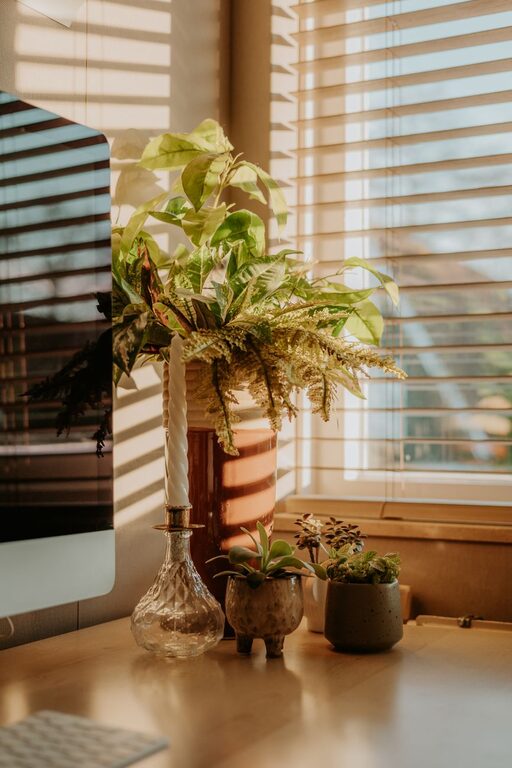
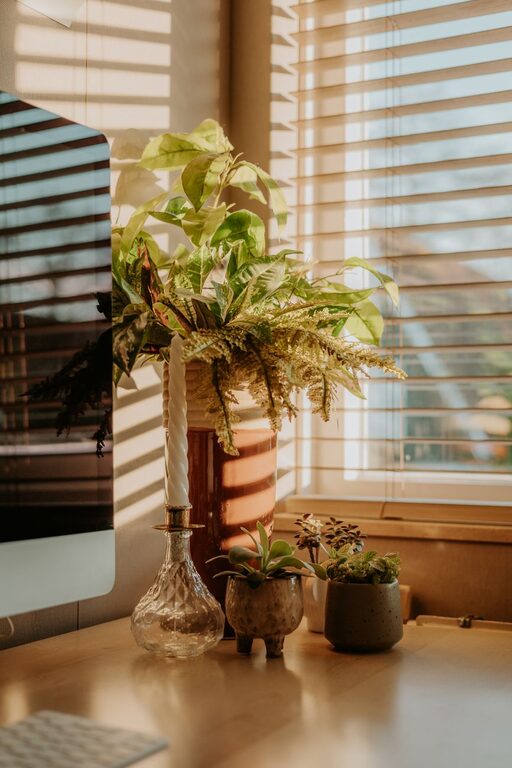
– Natural Light: Select a spot near a window if possible. Natural light can improve mood and energy levels.
– Quiet Space: Aim for an area where noise is minimal and interruptions are rare.
– Separate from High-Traffic Areas: Avoid placing your office in busy household zones to help maintain focus.
2. Invest in Comfortable Furniture
– Ergonomic Chair: A supportive chair helps prevent back and neck strain during long hours of work.
– Adjustable Desk: Standing desks or adjustable options encourage movement, which is beneficial for health and concentration.
– Proper Desk Size: Ensure your desk provides enough space for your computer, documents, and other essentials.
3. Optimize Lighting
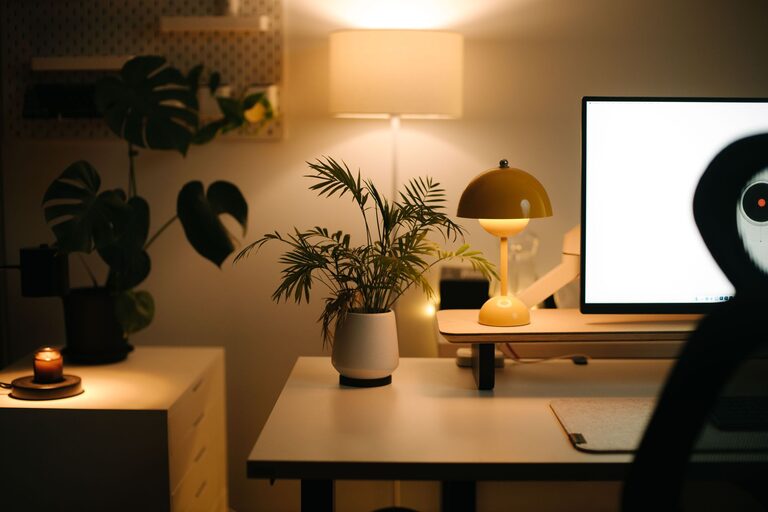
– Layered Lighting: Combine natural light with task lighting and ambient light to reduce eye strain.
– Soft Light Bulbs: Use bulbs that emit warm, soft light to create a relaxing atmosphere.
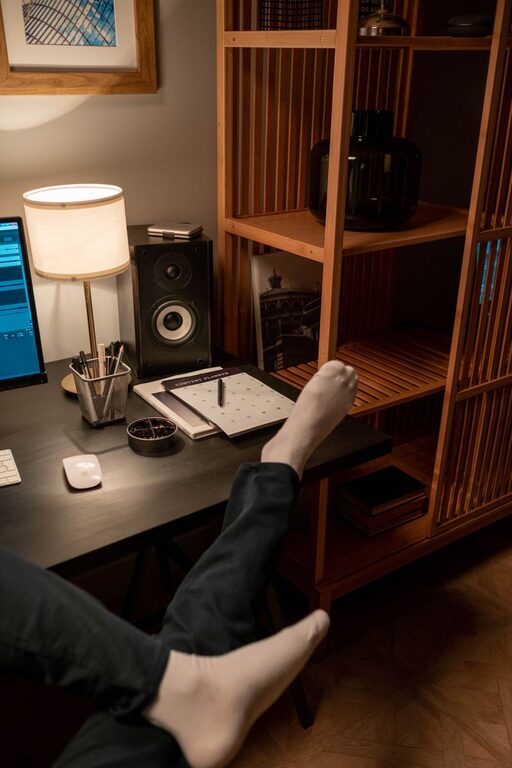
– Adjustable Lamps: A desk lamp with adjustable brightness and direction can improve focus on specific tasks.
4. Declutter and Organize
A tidy workspace clears the mind and minimizes distractions.
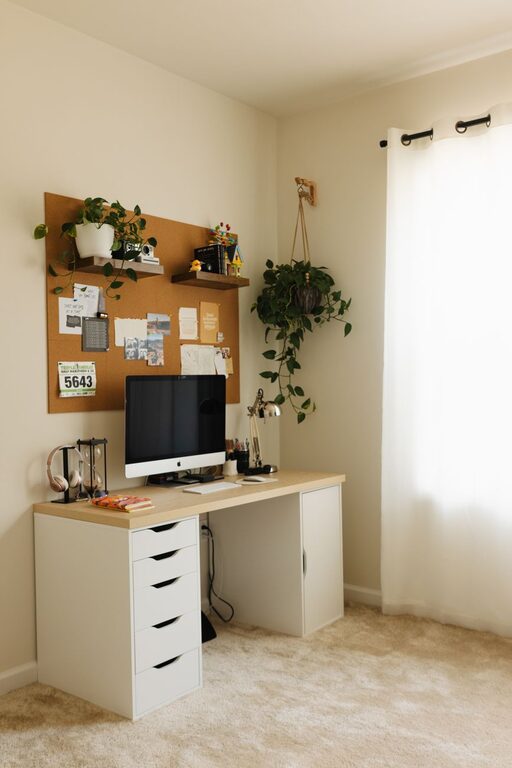
– Storage Solutions: Use shelves, drawers, and organizers to keep items off your desk.
– Daily Clean-Up: Dedicate a few minutes at the end of each day to put things in order.
– Limit Decor: Keep decorations simple and meaningful to avoid overstimulation.
5. Add Elements of Nature
Biophilic design improves mood and productivity.
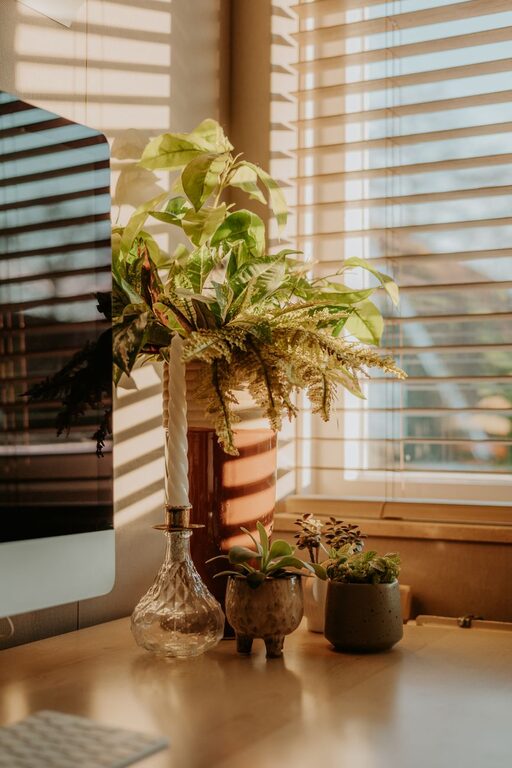
– Indoor Plants: Plants like succulents, snake plants, or pothos require minimal care and add greenery.
– Natural Materials: Wood desks, bamboo accessories, or stone decorations offer a calming natural touch.
– Views of Nature: If possible, position your desk to view outdoor scenery or a garden.
6. Personalize Your Space Thoughtfully
Adding personal touches can motivate and comfort you without distracting.
– Inspirational Quotes: Place a framed quote or artwork that encourages positivity.
– Photos: Display a few photos that make you happy but keep them limited to avoid clutter.
– Color Palette: Choose calming colors such as soft blues, greens, or neutrals for walls and accessories.
7. Control Air Quality and Temperature
A comfortable environment depends on good air and temperature.
– Ventilation: Open windows when possible or use air purifiers to keep air fresh.
– Thermostat: Adjust temperature to a comfortable level, usually between 68–72°F.
– Humidity: Use a humidifier or dehumidifier to maintain balanced humidity if needed.
8. Manage Technology Smartly
Technology is essential but can also create stress if unmanaged.
– Cable Management: Use clips or sleeves to organize cords and reduce mess.
– Quality Equipment: Invest in reliable devices like monitors, keyboards, and headphones for ease of work.
– Minimize Distractions: Turn off unnecessary notifications during work time.
9. Incorporate Relaxation Breaks
Regular breaks help maintain focus.
– Stretching Area: Leave space for light stretching or yoga to relieve tension.
– Breathing Exercises: Place reminders or apps to encourage breathing or mindfulness exercises.
– Comfortable Seating: Include a small couch or chair for short breaks away from the desk.
Tips to Maintain Your Relaxing Home Office
– Routine Cleaning: Schedule weekly cleaning sessions for dusting and wiping surfaces.
– Reassess Periodically: Every few months, evaluate your setup and make adjustments if needed.
– Stay Organized Digitally: Keep your computer files and emails sorted to reduce digital clutter.
Final Thoughts
Creating a relaxing home office is about finding balance between comfort and productivity. By thoughtfully arranging your space with your needs in mind, you can improve concentration, reduce stress, and enjoy your working hours more. Start small by focusing on one or two tips and build your ideal workspace over time. A calm, organized environment is within reach and can transform the way you work from home.
About the Author