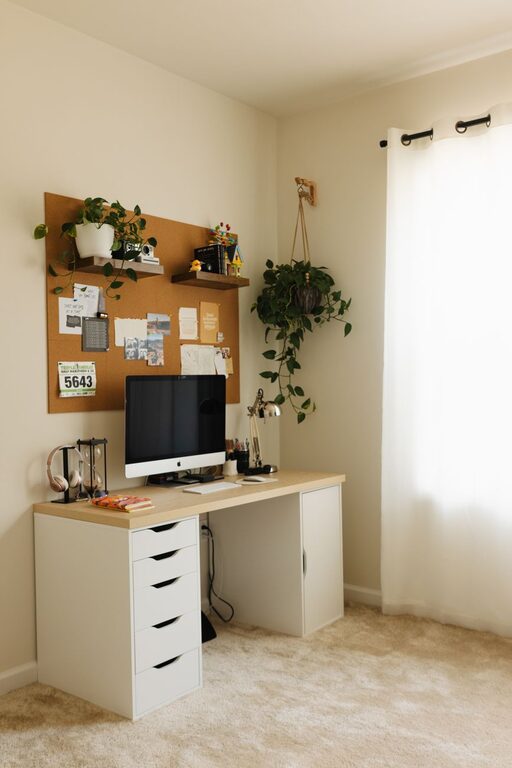
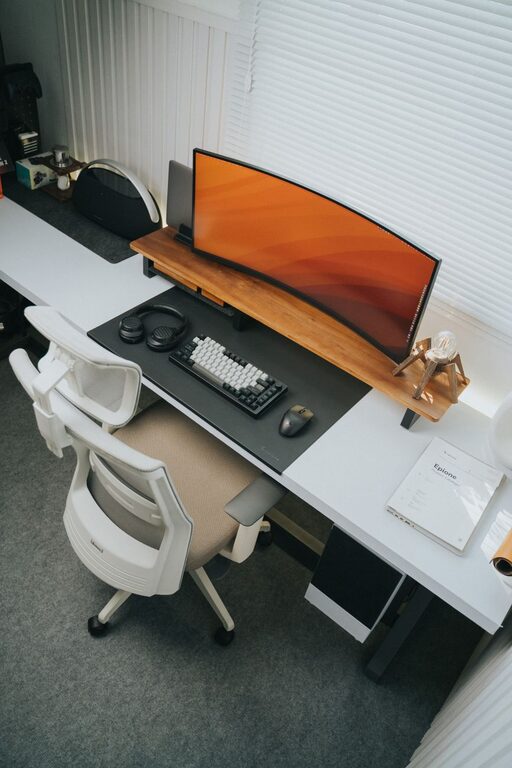
Creating an organized home office can greatly improve your efficiency and mood while working. A well-structured space minimizes distractions and helps you stay focused on the tasks at hand. Whether you’re working remotely full-time or need a dedicated area for occasional tasks, these simple tips will help you set up an effective and pleasant workspace.
Why Organizing Your Home Office Matters
A cluttered, chaotic workspace can have the opposite effect of what you want. It can create stress, slow down your workflow, and make it difficult to find important documents and tools. On the other hand, an organized environment promotes better time management and enhances your mental clarity.
Start with a Clean Slate
Before organizing, clear everything off your desk and workspace. This helps you see exactly what you have and decide what’s necessary.
– Sort through papers and supplies: Toss out or recycle what you don’t use.
– Clean your desk: Wipe down surfaces and vacuum the floor to refresh the space.
– Evaluate furniture: Consider if your desk and chair are comfortable and functional.
Choose the Right Location
Finding the best spot for your home office can make a big difference.
– Natural light: Place your desk near a window if possible for natural light, which can improve mood and reduce eye strain.
– Quiet corner: Pick a place with minimal noise and distractions.
– Adequate space: Make sure there’s enough room for your computer, paperwork, and any other tools you regularly use.
Declutter and Prioritize Essentials
Not every item needs to be on your desk. Keep only daily-use items within arm’s reach.
– Limit desk items: Pens, notebooks, and your computer are usually enough.
– Use drawers or shelves: Store less frequently used items out of sight.
– Create zones: Designate areas for different purposes: computer work, paperwork, and reference materials.
Use Organizers and Storage Solutions
Good organizers keep items neat and easy to find.
– Desk organizers: Use trays, cups, or boxes for pens, paper clips, and sticky notes.
– File folders: Label and store documents in folders or filing cabinets to avoid paper piles.
– Cable management: Use clips or sleeves to prevent cords from tangling and cluttering your space.
Optimize Your Technology Setup
Technology is key in any office, but it can also create disorder if unmanaged.
– Monitor placement: Position your monitor at eye level to reduce neck strain.
– Keyboard and mouse: Place them comfortably to avoid repetitive stress injuries.
– Keep gadgets charged: Use a charging station to prevent cords lying around.
Personalize Without Overcrowding
Adding personal touches can make your workspace inviting, but avoid overdoing it.
– Decorate with plants: Small indoor plants can boost mood and air quality.
– Use photos or art: A few meaningful pictures add warmth without distraction.
– Minimal décor: Stick to simple items that inspire but don’t clutter.
Establish Daily and Weekly Habits
Maintaining organization requires regular effort.
– End-of-day tidy: Spend 5 minutes clearing your desk at the end of each workday.
– Weekly review: File papers, restock supplies, and clean electronics once a week.
– Plan ahead: Use planners or digital calendars to organize tasks and reduce clutter from notes.
Make Comfort a Priority
An organized office is only useful if it’s comfortable.
– Ergonomic chair: Invest in a chair that supports posture.
– Proper lighting: Use a desk lamp if natural light is insufficient.
– Temperature control: Keep your workspace at a comfortable temperature for focus.
Conclusion
Organizing your home office doesn’t have to be complicated or expensive. By following these simple tips—clearing clutter, setting up zones, utilizing storage solutions, and maintaining good habits—you can create a productive and pleasant work environment. An organized workspace not only helps you stay efficient but also makes your daily work more enjoyable. Try out these ideas and watch how your productivity improves!
About the Author