Creating a relaxing and productive workspace at home can significantly improve your work experience. Whether you’re working remotely full-time or just need a dedicated spot for focused tasks, designing a comfortable environment helps reduce stress and increase efficiency. Here’s a detailed guide with practical tips to transform your home workspace into a calm and inviting place.
Why a Relaxing Workspace Matters
A workspace that feels comfortable and welcoming can positively impact your mood and motivation. When your surroundings are organized and soothing, distractions fade, allowing you to focus on your tasks. A relaxing setup can also encourage better posture and reduce physical strain, contributing to your overall well-being.
Choosing the Right Location
Prioritize Natural Light
Select a spot near a window if possible. Natural light not only boosts your mood but also helps regulate your body clock, making you more alert during the day. Arrange your desk to avoid glare on your computer screen—sideways to the window often works best.
Find a Quiet Area
Try to use a room or corner away from busy parts of your home. Minimizing noise helps maintain concentration. If that’s not an option, consider noise-canceling headphones or a white noise machine to block distractions.
Invest in Comfortable Furniture
Ergonomic Chair
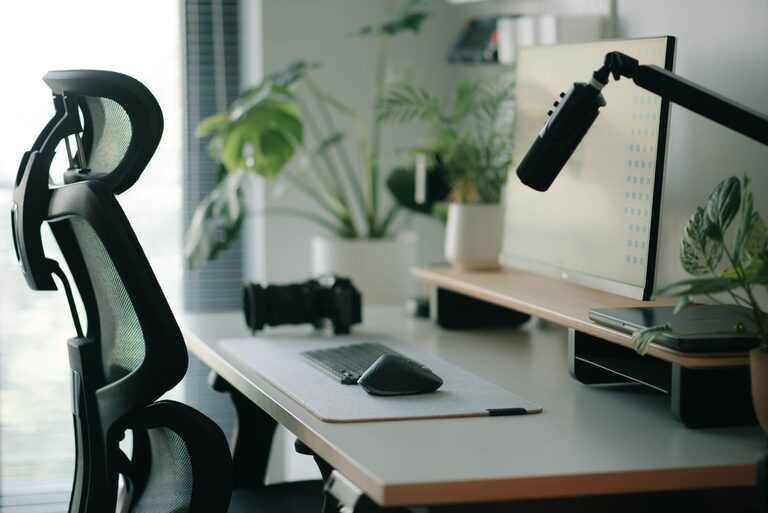
A supportive chair that encourages proper posture is vital. Look for adjustable features like seat height, lumbar support, and armrests. Sitting comfortably prevents back and neck pain.
Suitable Desk
Your desk should provide enough space for your computer, documents, and any other tools you need. The ideal height allows your forearms to be parallel to the ground when typing.
Organize with Function and Aesthetics
Declutter Regularly
Keep only essential items on your desk. A tidy surface minimizes distractions and makes it easier to focus.
Use Storage Solutions
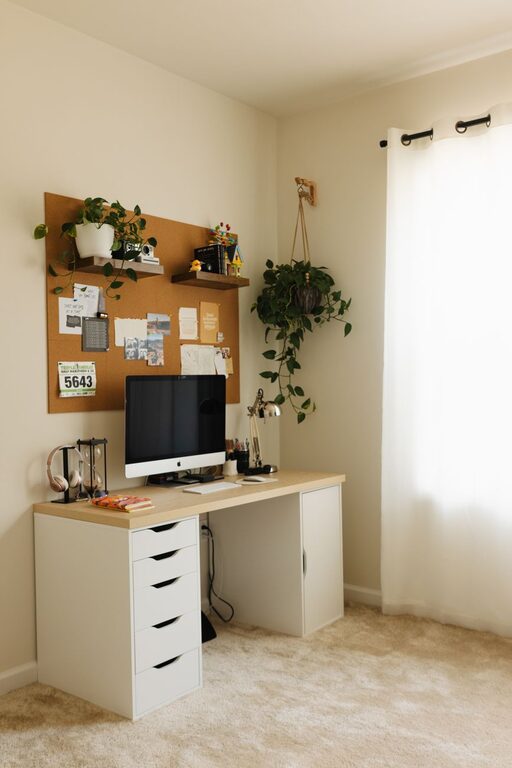
Drawers, shelves, and organizers help keep supplies and papers out of sight but within reach. Colorful bins or baskets can add a touch of style and keep things orderly.
Personalize Without Overdoing It
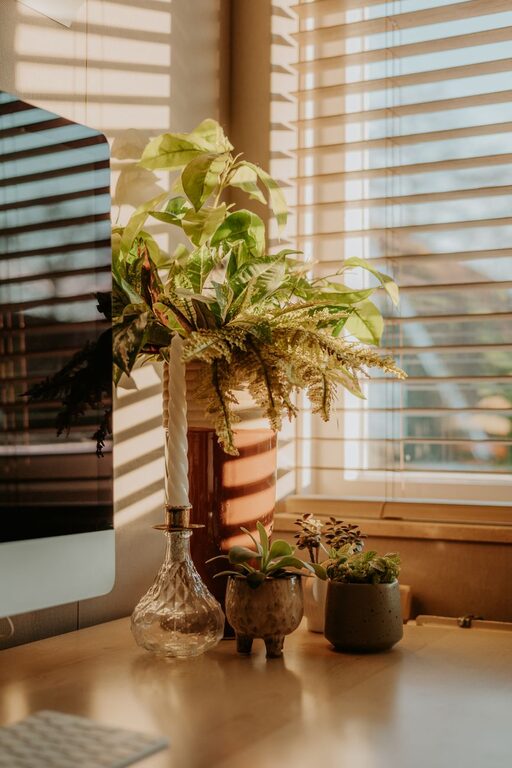
Adding personal touches like photos, plants, or artwork can make your workspace inviting. However, avoid overcrowding your area with items that may become distracting.
Incorporate Greenery
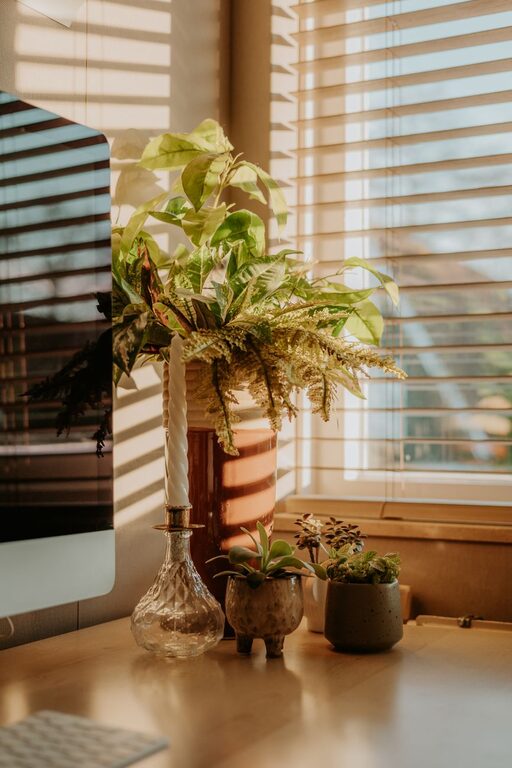
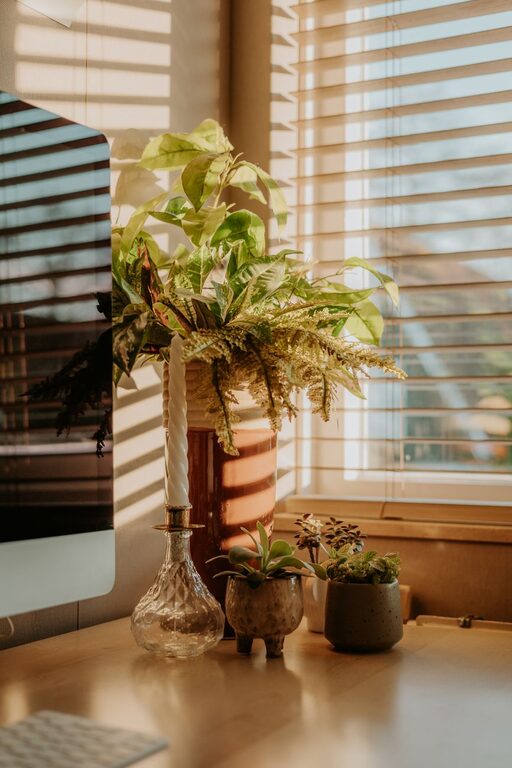
Plants not only brighten the space but may also improve air quality. Choose low-maintenance varieties like succulents or pothos if you don’t have a green thumb.
Control Lighting and Temperature
Adjustable Lighting
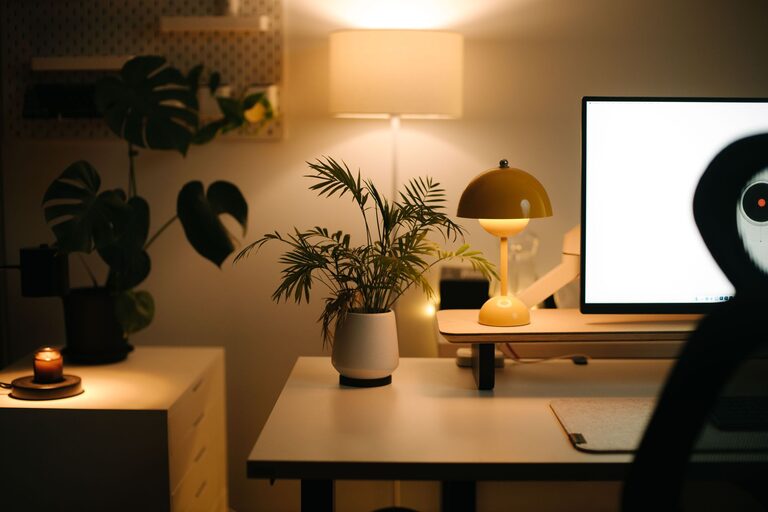
Besides natural light, use adjustable lamps with warm light to reduce eye strain, especially in the evening.
Maintain Comfortable Temperature
Ensure your workspace isn’t too hot or cold. A small fan, heater, or humidifier might help create a balanced environment.
Establish a Routine and Boundaries
Designate specific working hours and communicate them with household members. This helps reduce interruptions and supports a healthy work-life balance.
Take Breaks
Stand up and stretch regularly. Brief walks or simple exercises refresh your mind and body, boosting productivity.
Minimize Digital Distractions
Turn off non-essential notifications and organize your digital files. Using apps designed for focus can help you stay on task.
Use Calming Colors and Scents
Soft, muted colors like blues, greens, and neutrals promote relaxation. Consider adding a subtle scent with essential oils or a candle to enhance calmness.
Final Thoughts
Creating a relaxing home workspace doesn’t require a full renovation or expensive purchases. Small changes—like organizing your desk, improving lighting, and adding calming elements—can make a big difference. The goal is to design a space that feels comfortable and inspiring so you can work effectively and enjoyably.
By following these tips, you’ll build a home office environment that supports your productivity and well-being. Remember, your workspace should adapt to your needs, so feel free to adjust and personalize as you go!
About the Author